
Life After Life
Overview
First published in 1975, Raymond Moody’s Life After Life: The Investigation of a Phenomenon—Survival of Bodily Death is a work of popular nonfiction that brings medical case accounts into conversation with philosophical and religious questions. Moody, an American physician and philosopher, examines reports from people who were revived after what was described as clinical death, along with accounts from people who came close to dying. The book is not a novel and does not follow a fictional plot; its structure is investigative, built around testimony, comparison, and the recurring features Moody identifies across accounts.
Accounts and central questions
The book asks what people say they experienced when they seemed close to death, and what those experiences might mean. Moody collected and analyzed more than one hundred cases. Among the recurring elements reported are a sense of being outside one’s body and observing events around it, movement through a dark passage or tunnel, an encounter with a powerful light or a radiant presence, meetings with deceased relatives, and a review of one’s life. Some accounts also describe a boundary or point of no return, followed by a sense of being sent or compelled back to bodily life. These elements are not a universal checklist: individual reports differ, and not every person describes every feature.
The testimonies give the book its narrative force, while their comparison supplies its organizing argument. Moody considers how experiences of calm, light, and life review affect survivors’ understanding of death and their later lives. The book’s larger concerns include the relation between mind and body, the limits of medical descriptions of dying, the possibility of consciousness beyond bodily life, and the ways personal experience intersects with religious belief. Moody presents the reports as evidence worthy of attention, but readers should distinguish accounts of an experience from proof of a particular explanation. Similar stories may invite questions about survival after death without, by themselves, settling them.
Background and legacy
Moody brought together philosophical interests and medical training in an effort to examine experiences that had often been treated as private, mysterious, or difficult to discuss. Rather than present a single survivor’s story, he compares many individual accounts and describes their shared patterns. The book helped bring the term near-death experience into widespread use and made the subject familiar to a broad readership. Its popular success was extraordinary: published descriptions report worldwide sales in the tens of millions, and the book has continued to appear in later editions.
Life After Life helped shape popular ideas about the tunnel, the bright light, and the possibility of an afterlife, and it encouraged further writing and inquiry into near-death reports. Its enduring importance is both cultural and historical: it made a once-marginal topic part of public conversation and established Moody as a leading popular author on the subject. The work remains a landmark introduction, even as its interpretation is debated and readers approach its testimony from medical, psychological, philosophical, and religious perspectives.
About the Author
Origins and education
Raymond A. Moody Jr. was born on June 30, 1944, in Porterdale, Georgia, in the United States. He is an American physician, philosopher, and author whose best-known work concerns near-death experiences and ideas about life after death. His education crossed several fields. He studied at the University of Virginia, earning a bachelor’s degree, a master’s degree, and a doctorate in philosophy. He later trained in medicine and earned an M.D.; he also received a doctorate in psychology from West Georgia College. This combination of philosophical and medical training informed his interest in questions about consciousness, bodily death, and the interpretation of personal experience.
Research and major books
Moody became widely known for collecting and comparing accounts from people who had been revived after clinical death or had faced life-threatening circumstances. Rather than build his work around one person’s story, he looked for features that recurred across many individual reports. His first major book, Life After Life, appeared in 1975. It presented more than one hundred cases and helped popularize the term near-death experience. The book made him a prominent early writer on the subject and brought reports that had often remained private into public discussion. His work is influential as a record and interpretation of testimony; the reports themselves should not be confused with conclusive proof of any single account of an afterlife.
Moody continued to write about related experiences and questions. His notable books include Reflections on Life After Life (1977), The Light Beyond (1988), Coming Back (1991), and Glimpses of Eternity (2010). Across these works, he returned to personal testimony, recurring patterns, and the way unusual experiences can affect survivors’ views of death and living. His writing is directed to a broad readership, and it combines case material with philosophical reflection rather than presenting itself solely as technical medical research.
Reputation and later life
Moody’s lasting reputation rests above all on the reach of Life After Life. The book sold millions of copies around the world—later descriptions place its sales in the tens of millions—and has remained in print in subsequent editions. It helped establish near-death experience as a widely recognized subject and shaped popular images associated with it, including movement through a tunnel, a bright light, and a review of one’s life. He is frequently described as a pioneer or leading popularizer of near-death studies. At the same time, the meaning of the reports remains contested: medical, psychological, philosophical, and religious approaches may draw different conclusions from similar testimony.
As of 2026, Moody is alive; no reliable information indicates that he has died. His career is significant not only for naming and publicizing a subject, but also for turning scattered personal accounts into a topic that readers could compare and debate. His books continue to connect his name with near-death experiences and with modern public discussions of dying, consciousness, and what may follow bodily life.
StoryFlow

Moody’s Expanding Inquiry
This thread traces Raymond Moody’s growing body of reports from a tentative personal investigation toward a call for broader, systematic study.
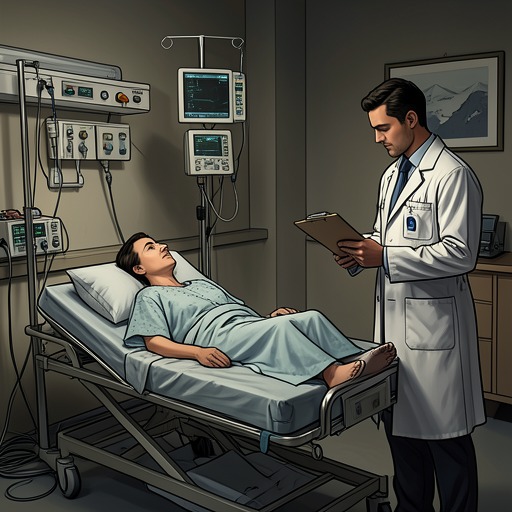
The Composite Journey
This flow follows Moody’s model of a typical near-death experience from physical crisis through return and lasting change.
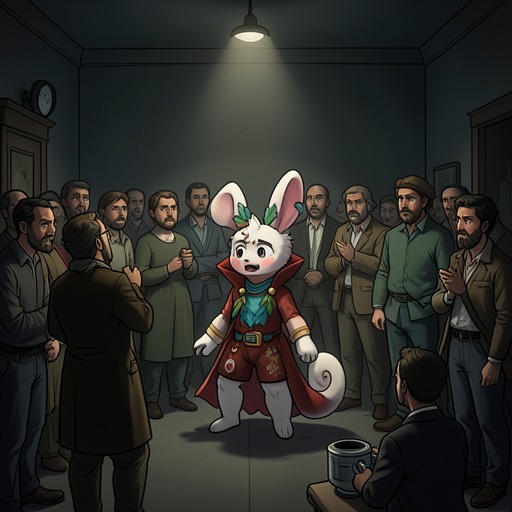
A Phenomenon Made Public
This thread traces the movement from private disclosures toward public recognition and the debate over whether awareness changes the reports themselves.
